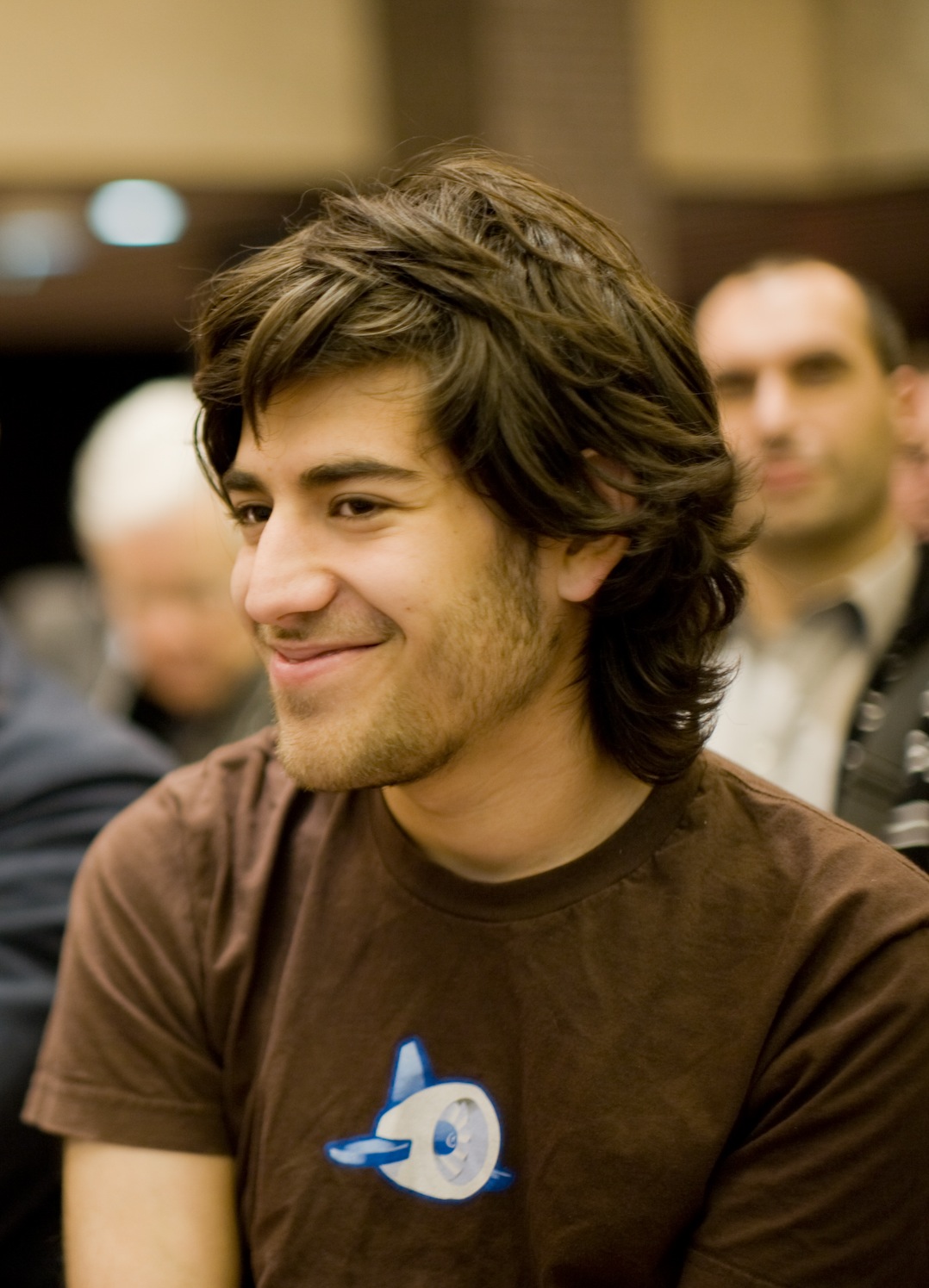
Swartz wrote in the same manifesto:
"You have been given a privilege. You get to feed at this
banquet of knowledge while the rest of the world is locked out.
But you need not — indeed, morally, you cannot — keep this
privilege for yourselves. You have a duty to share it with the
world."
He was talking about paywalls, but the problem is bigger than
paywalls.
There's another kind of lock. When a $200 textbook compresses
into 30 pages what needs 300 pages to explain step by step,
leaving out the background, examples, and reasoning a beginner
needs. When an expert writes for other experts and calls it
"education." When the language around a subject is
harder than the subject itself. You can put a paper on the
internet for free and still make it impossible for most people to
understand. That's not sharing. That's a locked door
with no handle.
I want to build an open network where anyone can publish what they
know, organized in a way that others can actually follow. If you
understand something, you can explain it and put it out there. If
someone else explains it better, theirs rises to the top. The
structure of how knowledge connects — what comes before what, what
depends on what — is as important as the knowledge itself.
That's what the internet is missing.
Swartz was right. This is early, and I'd rather try than not.
If you feel the same way, come build it together.
This is a public-benefit project. Published knowledge should be
free to read and obtain. Recognition should come from explaining
things well, sharing useful work, and helping correct mistakes.
Money should not decide whose explanation is seen or whose
judgement counts.